
Client Information: Mr. He;
Shipping Route: Shanghai to Toronto;
Service Date: 2019.3.22;
Case Summary: Mr. He in Shanghai entrusted Seapoe Relo to ship approximately 30 cubic meters of luggage, furniture, and other personal belongings by sea to Toronto, Canada.
As one of the most livable and wealthiest cities in the world, Toronto has always been the top choice for those immigrating to Canada. It has the highest proportion of ethnic diversity, with nearly half of its population being immigrants, and even 14.4% of the entire city's population being of Chinese descent. Therefore, for Chinese people immigrating to Canada, settling in Toronto is an excellent choice.
Mr. He's family in Shanghai is preparing to immigrate and settle in Toronto, Canada, and needs to ship furniture and a large quantity of daily necessities from their Shanghai home—shoes, clothes, books, bedding, curtains, carpets, etc.—to their new home in Toronto. After extensive and effective communication, Mr. He ultimately chose Seapoe Relo as his moving service provider for relocating from Shanghai to Toronto. Mr. He's old home is in Shanghai. To accurately determine the volume of Mr. He's belongings, Seapoe arranged for a supervisor to visit Mr. He's home to assess the volume of the items and to check which items cannot be shipped and which items require custom wooden crates. Based on the data and item information provided by the supervisor, Seapoe's customer service team prepared a quotation. A 30-foot ocean shipping container can accommodate all of Mr. He's household items.
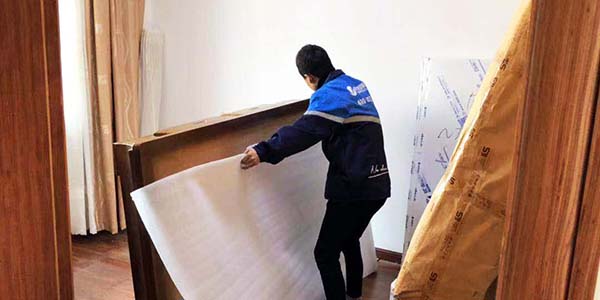
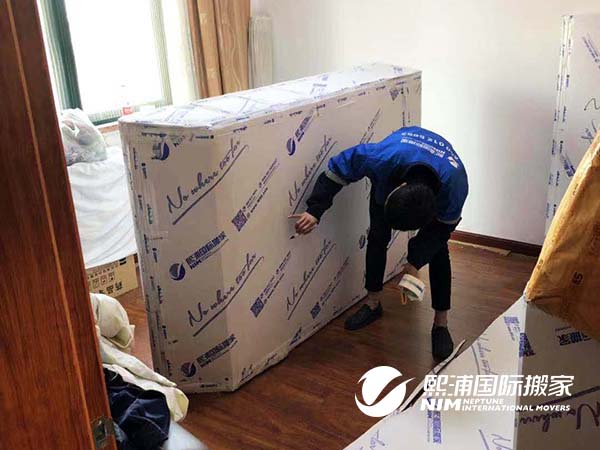
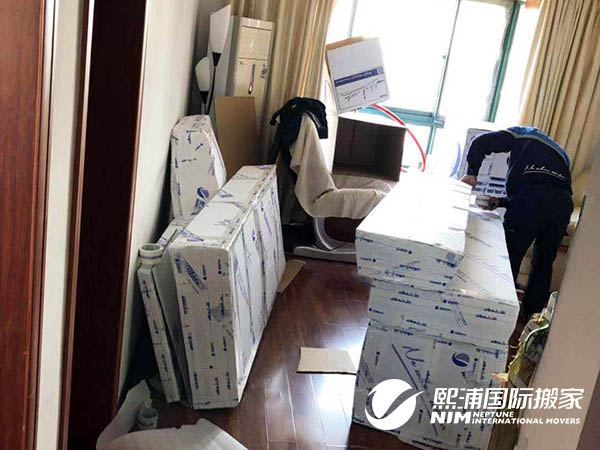
Below is the on-site pickup and packing at Mr. He's home in Shanghai by Seapoe staff: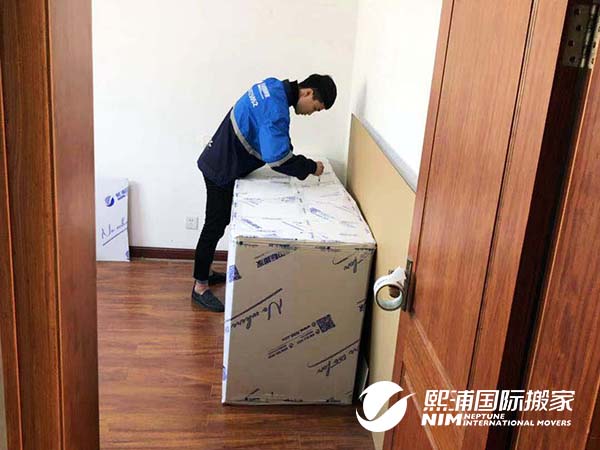
Notes on moving from Shanghai to Toronto, Canada:
1. Customs clearance documents required for moving to Canada: passport, Maple Card (or visa), packing list, B4E form, and ocean bill of lading.
2. The Canadian government stipulates that new immigrants or citizens residing overseas may bring their personal effects and private property that have been used at their place of residence for 6 months or more into Canada duty-free. It is worth noting that if these items arrive in Canada after you land, you will need to declare the "Goods to Follow List" (B4E form) at the airport customs.
3. According to Canadian customs regulations, when clearing personal effects, the individual must bring relevant identification documents to the local customs office in person to be interviewed.
4. Canada imposes tariffs and Canadian consumption tax on all new items entering the country. Typically, the tariff on furniture is around 8%, and the consumption tax is 13%. If you have a large number of brand-new items, it is recommended that you repackage these new items together with used items in a uniform manner and declare them reasonably to customs to avoid taxation.
By quote form, phone, email or WeChat — we reply promptly Get a Quote