
Client Information: Mr. Zhang;
Shipping Route: Moving from Hangzhou to Ottawa;
Case Summary: Mr. Zhang from Hangzhou shipped his personal furniture and belongings to Ottawa, Canada for continued use.
Due to Canada's relatively relaxed immigration policies, excellent living environment and urban development, abundant social resources, and well-established social welfare such as unemployment, medical care, and pension benefits, an increasing number of Chinese people are choosing to immigrate to Canada. Ottawa is the capital of Canada, located in the eastern part of southern Ontario. Compared with other Canadian cities, Ottawa has a lower cost of living and is considered one of the safest places in Canada.
After obtaining his Canadian Maple Leaf Card, Mr. Zhang from Hangzhou chose to settle in Ottawa. To adapt to the local lifestyle as much as possible, he decided to ship his household furniture and belongings from China to Ottawa, Canada. After searching online and comparing the services, prices, and reputations of several international moving companies, Mr. Zhang ultimately chose "Seapoe Relo" as his carrier for moving from Hangzhou, China to Ottawa, Canada.
So how does one move from Hangzhou, China to Canada? Let's take Mr. Zhang's moving experience as an example:
Step 1: Get a Quote
Mr. Zhang only needed to inform "Seapoe" staff of the approximate volume of items to be shipped, the destination port, the estimated shipping date, and other information to receive a detailed quotation. Since Mr. Zhang could not determine the volume of his belongings, "Seapoe" also arranged for professionals to conduct a free on-site assessment, estimate the volume for Mr. Zhang, develop a moving plan, and answer questions on the spot.
Step 2: Commission
After confirming the cooperation, Mr. Zhang notified us of the time for door-to-door packing and pickup, filled out the letter of authorization, and provided the various documents required for customs declaration. We assigned Mr. Zhang a professional consultant for moving to Canada, who was dedicated to following up on and handling all matters related to packing, shipping, and customs clearance.
Step 3: Professional Packing
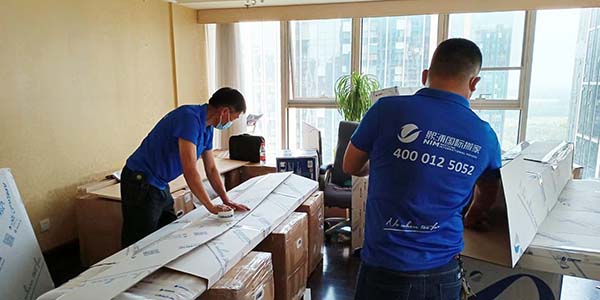
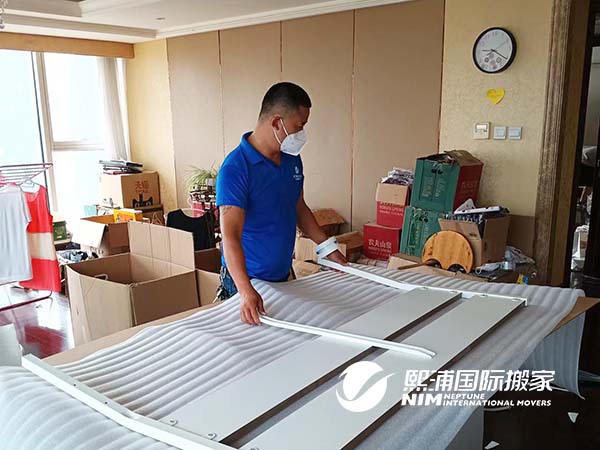
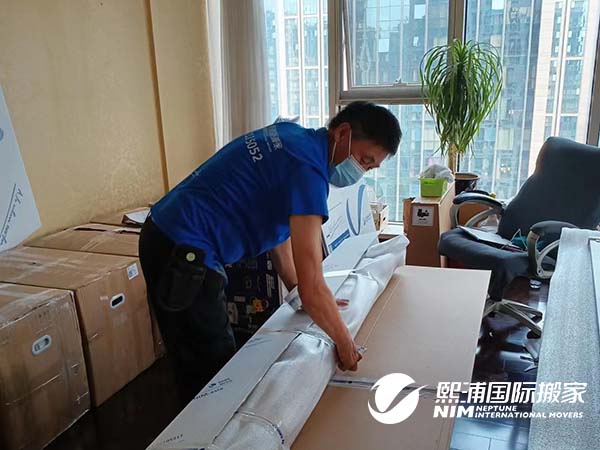
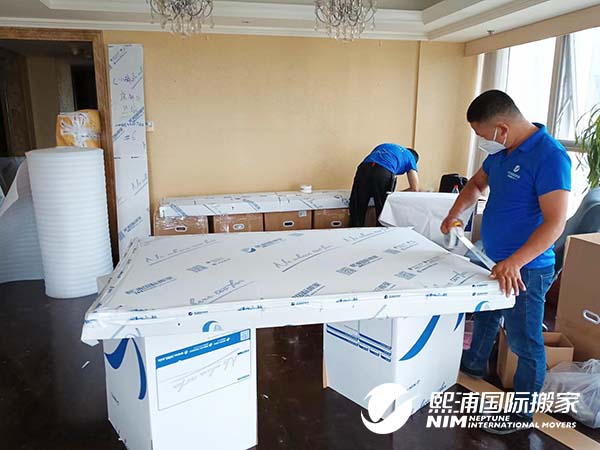
Staff with extensive packing experience arrived at Mr. Zhang's designated packing location on time and packed according to his requirements. The packers used appropriate packing materials and methods based on the shape and volume of each item to provide the most proper and safest packing. After packing was completed, the service specialist promptly prepared a packing list detailing the number of each box and the names of the items contained. Below is the on-site pickup and packing at Mr. Zhang's home that day:
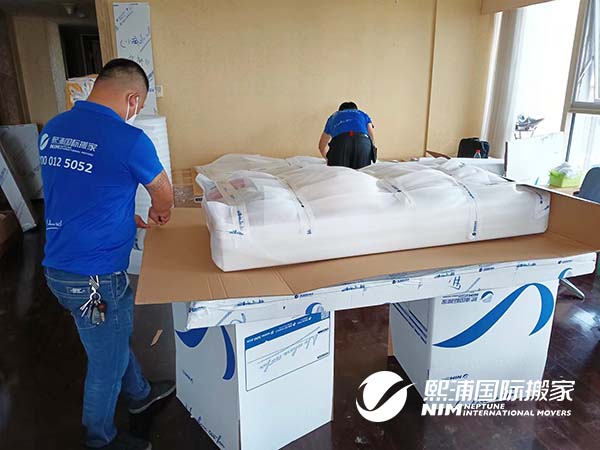
Step 4: Business Operations
"Seapoe" handled customs declaration, inspection, sea/air port operations, arrangement of ocean or air freight, issuance of transport documents, and other related work throughout the process in a timely manner according to Mr. Zhang's commission and the corresponding business operation standards and procedures.
Step 5: Canada Customs Clearance and Delivery
After the goods arrived at the Canadian port, our overseas office contacted Mr. Zhang and assisted him with duty-free customs clearance, followed by door-to-door delivery, unpacking, furniture assembly, and other services.
That is the process of moving to Canada. Finally, let's share how emigrants typically decide what to keep and what to leave behind for international moving from Hangzhou to Canada:
1. About Furniture: Compared with China, furniture abroad is generally more expensive, especially when the furniture is made of high-grade precious wood, making it all the more necessary to ship furniture overseas. If the furniture at home is outdated in style, damaged, or of low value, it is recommended to purchase a new set of furniture abroad—though exceptions apply for items with special commemorative or sentimental value.
2. About Clothing: Most people do not have a large quantity of clothing, making it relatively easy to decide what to keep. Brand-name clothing and personal favorites should definitely be shipped to the new home abroad; clothes that are rarely worn but hard to part with can be left behind. Of course, if the wardrobe boxes are not full, it is recommended to bring ordinary clothes as well to fill them up—this makes the wardrobe boxes more stable during shipping and increases the safety factor of transport!
3. About Other Items: Whether to pack and ship kitchenware, handicrafts, appliances, and other items depends on individual needs. The primary consideration is the value of the items, while also taking into account how convenient they are to use in daily life and their personal sentimental value. Neither take everything regardless of value nor leave everything behind just to save money—everyone surely has their own judgment on this!
By quote form, phone, email or WeChat — we reply promptly Get a Quote